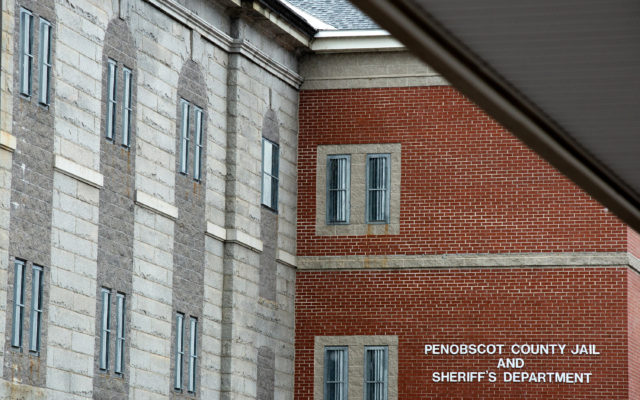
Officials won’t say how much money Penobscot County has
By Kasey Turman, Bangor Daily News Staff
Half a year after Penobscot County passed a $35.4 million budget to address a years-long financial crisis, county spending is on track, county officials said. But it’s unclear how much money the county actually has or if it will stick to its 2026 budget.
The county is “right on target” with spending the $16 million it borrowed in February to operate until municipalities pay their county taxes, County Treasurer Glenn Mower said. Mower did not have figures of how much cash the county had on hand available when he was asked, but said county officials are “doing the best we can” with the funds they have.
Penobscot County Administrator Blair Tinkham did not provide a dollar amount when asked how much money the county has.
Penobscot County has been underbudgeting and overspending, specifically for the Penobscot County Jail, since 2021. In 2023 alone, the county overspent by $5 million, according to an audit completed this year. The majority of the budget shortfall was caused by expenses for jail operations outpacing state funding for county jails.
If spending exceeds its budget again this year, the expenses would add to the county’s ongoing budget crisis. Penobscot County has lost $7 million from its general fund in recent years to cover the gaps between its annual budgets and expenses.
Tinkham did not directly say if any department was projected to overspend this year, but did say they are being monitored monthly and framework is being put in place to stop it from happening.
Costs not accounted for when making the 2026 budget — including wage step increases, utility costs, medical benefits, retirement contributions, facility repairs and audit costs — have added to the county’s lack of cash flow and led to the county enacting a hiring freeze for the past two months, Tinkham said.
“In response, we are actively managing the timing of discretionary expenditures, while continuing to deliver essential services to county residents,” Tinkham said.
Penobscot County’s lack of cash flow, or how much money the county is able to spend, is mostly caused by the county running on a calendar year while its communities operate on a fiscal year. This difference means the county has to run on its own funding, or borrow money, until municipalities pay the county tax in the fall.
Penobscot County has been creating a plan to transition into a fiscal year, Tinkham said.
Dirigo Strategic Advisors, an advising company hired by the county, has created a “detailed draft” of an 18-month plan to transition to a fiscal year, Tinkham said. The plan would go into place in January 2028, starting with a six-month budget and then implementing the first fiscal-year budget in July 2028, he said.
The county will share the plans with its budget advisory committee “in the near future” to get feedback, Tinkham said.
Dirigo was first hired to help the county process its audits for 2024 and 2025. The company, which is being paid between $83,000 and $113,000, is in the “final stages” of completing the 2024 audit, Tinkham said.
Previous audits missed the initial deadlines provided by Penobscot County officials, but the 2024 audit is on schedule, Mower said.
County officials recently extended Dirigo’s contract to March 2028, Tinkham said. This new contract is meant to help the county educate the public on the need for a new correctional facility, generate legislative support for jail funding, and transition to a fiscal-year model.
Although new challenges of managing workforce burnout, implementing new spending framework and navigating a smaller workforce have put added pressure on the county employees, Tinkham said the county will be prepared for next year’s budget.
“The reduced budget and unbudgeted cost pressures have presented fiscal challenges but nothing we collectively can’t overcome in preparation for the 2027 budget,” Tinkham said.