Moose hunt changes would harm local economy
By Jennifer M. Whitlow
Dear Commissioner Judy Camuso and Beck Orff, thank you for the opportunity to comment on the proposed addition of a September moose hunt and moving up the October hunt in zones 8, 9 and 14 – the zones surrounding Moosehead Lake.
As the owner of a hospitality business in Greenville, I strongly oppose these proposed changes because they will significantly harm our local economy, my business and our community. I urge you to preserve the existing hunt schedule to support the broader economic interests tied to tourism in this region. More specifically, I believe the proposal will have the following negative effects on our local economy.
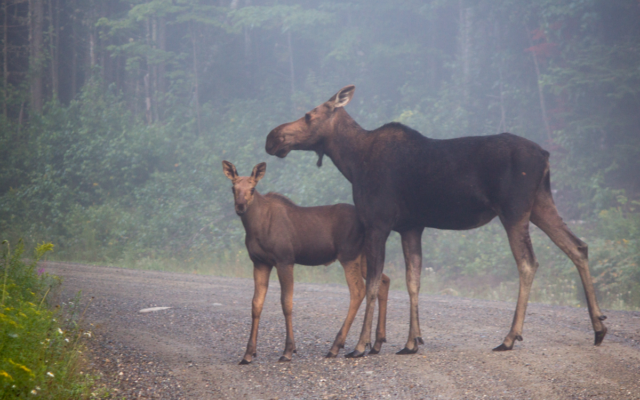
Eliminates the N. 1 activity during peak fall tourism. In the Moosehead Lake region, the last week of September marks the start of the 3-week peak fall foliage season — tourists’ No. 2 reason for visiting, per the Maine Office of Tourism. The No. 1 reason they visit is to see a moose; in fact, 65% of my business’s annual excursion bookings are moose safaris, valued at nearly $100,000 for the local guides and outfitters we partner with in our area.
We are a seasonal business, operating for 24 weeks per year, employing approximately 30 local residents and partnering with dozens of local moose safari, fishing and hiking guides each season. The fall tourist season is among the busiest three weeks of the year, and for my business, it represents more than 15% of my annual revenue. In 2025, our hotel occupancy for the fall tourism season was 99%, and it was among the highest-earning weeks for our restaurant. Our guests come to view the wildlife and fall colors, and to enjoy recreational activities in the north woods.
Active hunting during this time will eliminate their safe access to the north woods for two weeks during the three week season and encourage visitors to seek other destinations for fall foliage. Our Registered Maine guides stop offering moose safaris, and other guided activities, in the north woods during the hunt each year to avoid hunter/tourist conflict, effectively cutting off that revenue stream for area hospitality businesses and guide services. That loss of business will result in lost jobs for our already economically challenged community.
Damage to Maine’s small businesses. Small businesses are Maine’s economic backbone, making up 99.2% of businesses and employing over 57% of the workforce, according to the US Small Business Administration. In Piscataquis County, they are even more essential, driving the economy and supplying up to 87% of jobs — a rate among the highest in Maine.
And many small businesses provide critical support to one another. My business reinvests nearly 80 cents of every dollar locally. Half to my employees and nearly a third to other Maine businesses, such as area guides, farmers, tradesmen and hospitality partners. The proposed changes would reduce tourist visits, lower occupancy rates and cause substantial revenue loss in the region, directly undermining the local economy. Owning a small business in a remote location is already difficult enough; in just the past year, we’ve seen at least three retail businesses and three restaurants close or leave the region. We can’t afford to take action that will further harm our local economy.
It prioritizes 515 hunters over the economic benefits of tens of thousands of fall tourists. The proposed changes don’t increase the number of moose hunting permits; instead, it splits hunters into two weeks to “reduce crowding in the woods” and increase the success of the hunt. Zones 8, 9 and 14 include more than two million acres of forest according to your website, and only 515 moose hunting permits are issued in these three zones.
There is ample space for moose hunters to spread out and reduce crowding during the existing moose hunt by encouraging them to travel deeper into the woods. In my opinion, efforts to provide hunters with support and resources to navigate the northwoods more successfully would result in a more successful hunt, negating the need to change the timing or split the hunt into two separate weeks.
Prioritizing 515 hunters over tens of thousands of fall tourists who generate vital revenue for local businesses is an unacceptable economic trade-off. The current one-week October hunt allows for both hunting and tourism to thrive and should remain unchanged to protect our region’s economic stability.
It threatens Maine’s most economically challenged region. Piscataquis County has one of the lowest median incomes and highest poverty rates in Maine. Residents often work multiple jobs to support their families. Tourism is a growing part of our economy, attracting new skilled workers — a desperately needed trend. Changing moose hunting regulations in zones 8, 9 and 14 would shorten the tourism season by two high-earning weeks, hurting our economy, taking jobs from residents and deterring new businesses — an outcome we cannot afford.
Thank you for considering my perspective and our local business concerns. I urge you to reconsider the proposed changes, as our region’s economic well-being is at risk. I am committed to finding solutions that balance hunters’ interests and the critical tourism sector. Please let me know if you need any additional information or support regarding my position.
Whitlow is the owner & innkeeper of Blair Hill Inn LLC in Greenville.