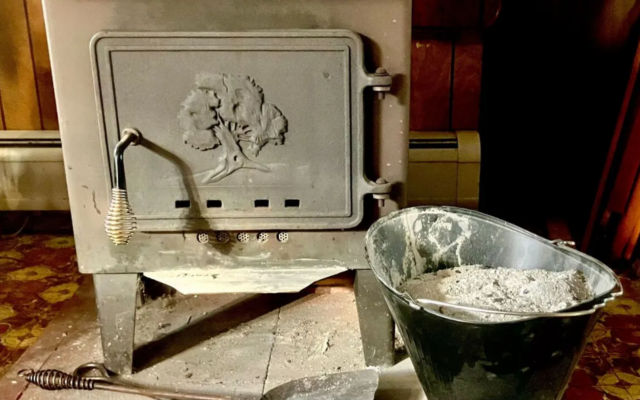
What to do with ash from your wood stove
By Susan Bard, Bangor Daily News Outdoors Editor
Throughout winter, when people are burning wood stoves, many households end up with piles of ashes, and most simply dump them in the woods or trash. But wood stove ashes can have practical uses that go beyond disposal.
First, ashes should come from untreated wood.
In gardens, they can provide nutrients such as calcium, potassium and phosphorus while helping balance soil pH. They can be mixed into compost, sprinkled on lawns or added directly to the soil when planting vegetables like tomatoes, onions and garlic. Ashes can also act as a natural deterrent against slugs and snails.
Ash from hardwood is especially useful in acidic soils, common in pine-covered areas, because it raises the pH and makes nutrients like calcium more available to plants. In alkaline soils, where nutrients are already accessible, adding ash generally has little effect.
Don’t add ash to blueberries, though — these plants prefer acidic soils.
Around your home, ashes can be made into a paste for scrubbing wood stove glass, polishing metal or removing light stains like grease from driveways.
Placing a small amount of ash in containers in bathrooms, basements or trash cans can help absorb moisture and odors without creating a mess, and adding a small amount on icy walkways or in animal pastures can provide traction.
Animals can benefit as well. Chickens and cats may use ash for dust baths to help control mites and lice.
Homesteaders on Reddit shared additional creative uses including adding hardwood ash to ponds to limit algae growth, scattering it on fruit trees with a leaf blower to control pear slug infestations or using it in outhouses to reduce odors and aid with decomposition.
One Reddit user even commented that a neighbor kept a covered pail in his trunk with a small shovel during winter. He would always stop and throw some shovelfuls when he saw someone stuck.
Wood stove ashes are also used in traditional soap making. When soaked in water, the ashes produce a basic solution called lye, which can be combined with fats or oils to make soap. One person even reported using the lye solution to clear a clogged drain.
Far from being waste, wood stove ashes are a versatile resource for gardeners, homeowners and homesteaders.