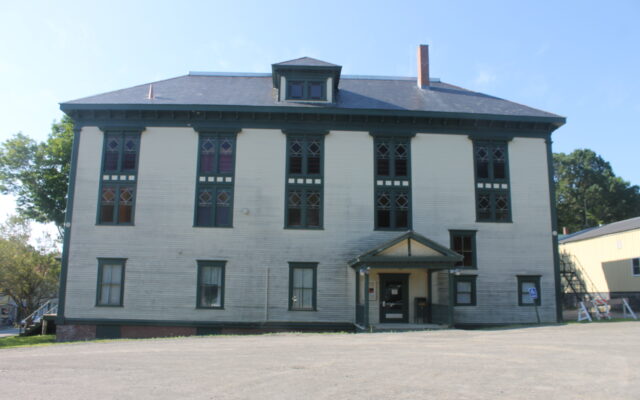
Sangerville residents to vote on 180-day cannabis grow moratorium
SANGERVILLE — Sangerville residents will vote Thursday, June 25 at 6 p.m. on a 180-day moratorium on new cannabis cultivation facilities and commercial cannabis establishments.
The vote will take place during a special town meeting in the Grace Bible Community Room, 40 Douty Hill Road.
If passed, the temporary ban would mean the state will not provide licenses in Sangerville for large grow operations for six months and violation of that will be a criminal offense. The select board has been discussing the creation of new zoning regulations to address large marijuana grow operations.
“It’s time to get this moving,” Town Manager Brian Mullis said during a June 17 select board meeting. Residents have asked something be done about industrial-scale commercial growing operations, he said.
“The basis of the moratorium is the fact that we have nothing in place currently to regulate these,” Selectperson Jamie Kane said. “Basically stop everything while we get our feet under us and get the proper regulations to protect this town.”
“As I have said many times, we are not interested in interfering with the private lives of those who use marijuana legally in the privacy of their own homes or those patients with medical cards that legally use it to mitigate symptoms of certain medical conditions,” Mullis wrote in a post on the town Facebook page.
“We believe these operations have targeted Sangerville because they can buy real estate relatively cheap compared to other places and we have no real zoning laws or ordinances that in any way regulate their activities,” he wrote.
The operations are all owned by out-of-state entities that buy existing homes and convert them into grow operations.
“They are taking advantage of us having no building permit process (other than a building notice and shoreland zoning) to rapidly build cheap poorly constructed structures to grow large amounts of cannabis,” Mullis wrote.
He said the operations are technically legal under Maine law, but officials believe loopholes are being exploited and the law is being stretched to its limits.
Town officials cited public safety concerns.
“These are large buildings with a lot of high energy electrical equipment that present multiple fire hazards,” Mullis wrote. “We believe they may be using hazardous chemicals to grow and process the cannabis. They have many people living and working in the structures. We have no mechanism to inspect these facilities. We do not know if they have any fire suppression equipment, adequate egress or any form of respiratory protection if they are using chemicals. If we have a fire in one of these structures, our firefighters will have to go in and search the building with no knowledge of what hazards are present.”
With multiple people working and living in these structures, there may be inadequate septic facilities. Complaints have been made about large accumulations of garbage at these facilities not being properly disposed of and the town has no way of knowing how hazardous waste products are being managed.
The grow houses devalue nearby properties, Mullis wrote.
Sangerville and other towns have a shortage of affordable housing, which is exacerbated by entities buying usable housing and taking it off the market.
Marijuana operations create an unpleasant odor that can extend a great distance beyond the facility, the town manager wrote.
The operations do not benefit the community economy.
“They are self-contained operations that do not support themselves by patronizing local businesses. They create no jobs and are not assessed adequately to pay taxes or fees to offset their potential cost to the community,” Mullis wrote. “We have talked with other towns and the Maine Office of Cannabis Policy and believe it is past time for us to put some regulation in place.”
The select board appointed a seven-member ad hoc committee to develop an ordinance with the planning board to serve the town beyond the 180 days.
After review by legal counsel and approved by the select board, the document would go before the voters at a special town meeting, potentially in the late summer or early fall.