Prepared to care: SAFE support for sexual assault and violence survivors
DOVER-FOXCROFT — More than 19,000 people in Maine are sexually assaulted each year, and one in five Mainers will experience sexual violence in their lifetimes. In recognition of Sexual Assault Awareness Month, Northern Light Health is highlighting the vital role of skilled, compassionate nurses who have special training to provide comprehensive, trauma-informed care to females and males affected by sexual assault and violence.
Sexual Assault Forensic Examiner nurses perform person-centered forensic examinations and provide education, support, medication counseling, and connections to community resources. SAFE nurses may also serve as expert court witnesses. To become SAFE-trained, nurses must complete extensive training overseen by the Office of Child and Family Services, part of the Maine Department of Health and Human Services.
Salina Cleaves, RN, a SAFE nurse who works in the emergency department at Northern Light Mayo Hospital, decided to become credentialed after treating a patient who had experienced sexual assault. While providing appropriate clinical care, Cleaves wasn’t confident that she was fully supporting the patient’s needs, and there were no available SAFE-trained nurses in the hospital.
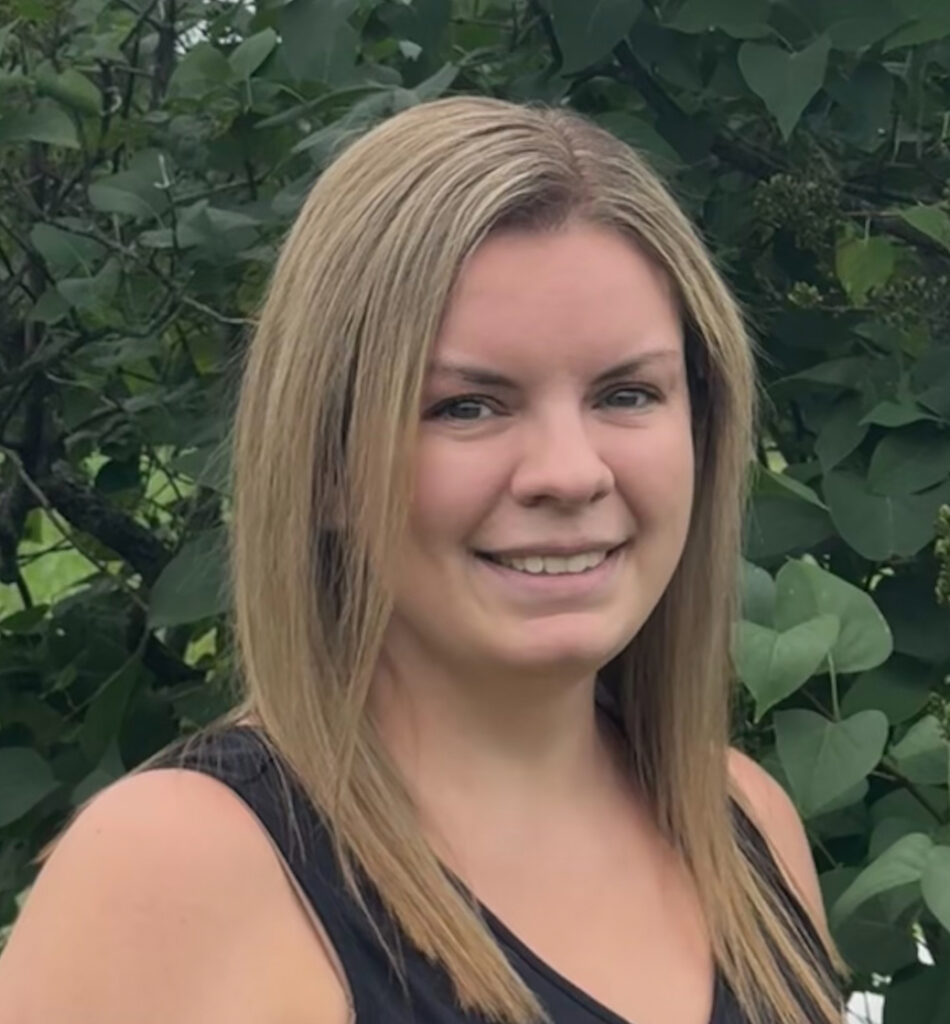
“It’s so helpful to have the knowledge that we learn during certification and be aware of what the individual may be going through,” she said. “A lot of people, even healthcare providers, don’t realize what is involved and the steps we take to ensure the safety and privacy of those patients.”
Cleaves has pursued additional training in photography, learning to capture images that are admissible into evidence for cases that go to court. She has also completed training on providing testimony in court, which she found helpful when she went before a jury for the first time.
While SAFE-trained nurses are more common in larger communities, Cleaves says that rural areas face a significant shortage and may not have any coverage at all. In some regions, SAFE nurses are available as a resource to several area hospitals.
“It’s hard to get credentialed if you don’t have other SAFE-trained nurses around to help you,” she says. “There is a lot of time, effort, and travel involved. It’s worth it, because it’s such an important resource for our community. I take a lot of pride in the fact that I’m able to offer this support, because there aren’t many credentialed nurses in our rural area.”
Cleaves notes that her training goes beyond sexual assault; she is prepared to help patients who are affected by any kind of domestic violence, including child abuse victims. While she knows that some individuals may be hesitant to seek treatment, she emphasizes that care is always provided on the patient’s own terms.
“We can offer as much as the patient wants or is comfortable with at the time, whether it’s an exam to assess and treat any medical concerns, prophylaxis medication to reduce the risk of sexually transmitted infections and pregnancy or making connections with other healthcare providers and community resources,” Cleaves said.
Patients can choose whether to have evidence collected and whether they want to report their case to law enforcement. If a patient is unsure about reporting at the time of the exam, they also have the option to have evidence collected and stored with law enforcement anonymously. Law enforcement is required to hold all anonymous kits for 20 years which allows the patient time to make the decision to report. If they choose to report, the kit can be easily linked to their report using the kit number that is given to the patient at discharge and stored in hospital records. All SAFE nurse documentation and photographs taken are stored in a sealed envelope with evidence tape, kept in a separate secure location, and are not stored in the patient’s medical chart.
Several Northern Light hospitals employ emergency department nurses who are SAFE credentialed.